Sheet B-1
Bathroom remodeling built for Gulf coast humidity, not just for looks.
Resale value, energy efficiency, accessibility, and the plumbing and structural issues a Gulf coast bathroom hides, addressed at framing so the finished room actually holds up.
Chapter 01
Waterproofing before finish, every time
A shower pan gets sloped to the drain at roughly a quarter inch of fall per foot, and that slope has to be right before any waterproofing membrane goes over it, because a membrane can't fix a pan that holds water flat. The curb and any niche get their own waterproofing detail too. A recessed shampoo niche is a common place for a remodel to leak later, because it's a hole cut into a waterproofed wall and it needs to be treated as its own small waterproofing job, not an afterthought tiled over at the end.
We test the pan for a hold, plugging the drain and letting water sit for a full day, before a single tile goes down. Finding a leak after the tile is set means tearing the tile back out. Finding it before costs nothing but a day of waiting.
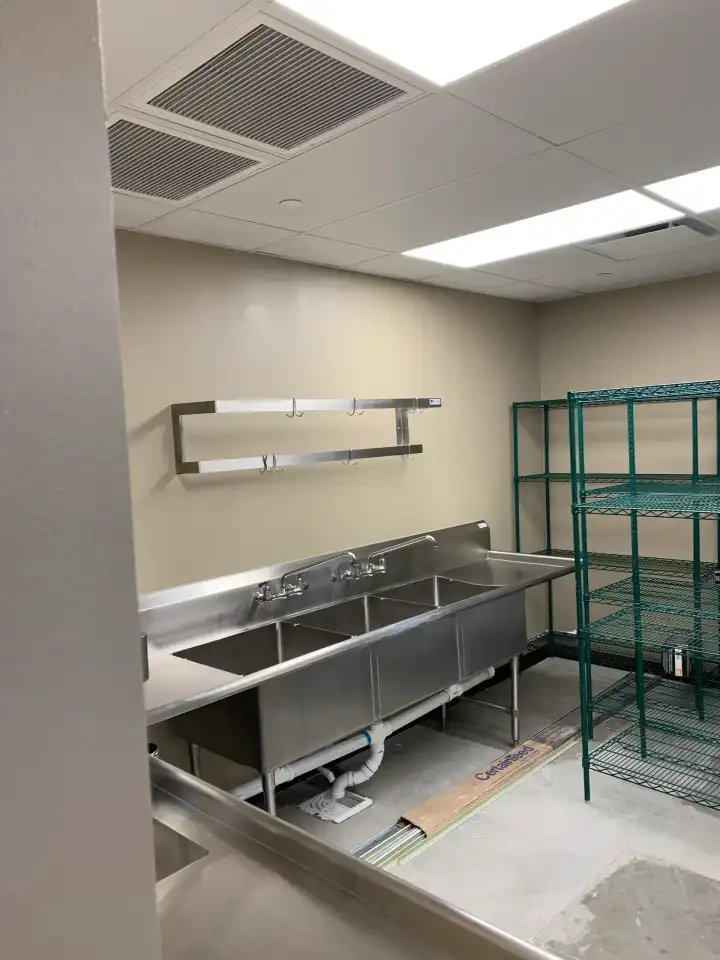
Finished interior remodeling work on a Cypress project.
Accessibility and aging-in-place decisions made at framing
A curbless shower, a wider doorway, or blocking in the wall for a future grab bar all have to be decided while the studs are still open. Blocking is inexpensive lumber added behind the drywall so a grab bar can be mounted into solid wood later instead of drywall anchors, and it costs almost nothing to add now versus opening the wall back up in five years to add it.
This comes up more than people expect. It matters for an older homeowner today, and equally for a family planning to stay in the house long term. It is a five-minute conversation at the framing stage that gets expensive to have later.
Chapter 03
Ventilation and moisture, the real enemy of a Gulf-coast bathroom
Houston humidity means a bathroom exhaust fan isn't optional trim, it's the thing standing between a remodel and mold behind the drywall six months later. We size the fan to the room and duct it straight outside, not into the attic, which is a shortcut that just moves the moisture problem to a place nobody looks.
Modernized fixtures and finishes matter for how the room looks and for resale value, but none of that holds up if moisture has somewhere to sit. Good ventilation is what makes the spa-like feel of a finished bathroom last past the first year instead of showing up as a maintenance call.
Fixture and valve rough-in order
Shower valves, tub fillers and the rough plumbing for the vanity all get set before any wall finish goes on, positioned to the actual tile plan so a valve handle doesn't land off-center on a finished wall. Getting this order wrong is one of the more common remodeling mistakes we see when we're called in to fix someone else's work.
Once the finish is in, fixtures like the vanity, toilet, mirror and lighting go on last, against surfaces that are already true, so everything sits level and square instead of being adjusted to hide a wall that isn't.
Pinnacle Construction, licensed, bonded and insured, with a warranty on all construction services. Call (281) 214-9251.
How it actually runs
The order the trades actually show up in.
Demo and rough-in
Old fixtures, tile and, where needed, the subfloor come out. Plumbing and electrical get moved or added at this stage, while the walls are open, not after tile is on.
Inspection, then waterproof
Rough-in gets inspected before anything is closed up. Once it passes, the shower pan, curb and any niches get waterproofed and tested for a hold before a single tile is set.
Tile and fixtures
Tile follows the waterproofing, then the valves, vanity, toilet and lighting go in against the finished surfaces, not the drawing.
Walkthrough and warranty
We walk the room with you before we call it finished, and there's a warranty on the construction work behind the tile as well as the finish you can see.