The First 48 Hours After a Water Loss: What to Document Before Anything Moves
What gets documented in the first two days shapes both the drying process and the insurance claim that follows.
September 8, 2026 · 3 min read
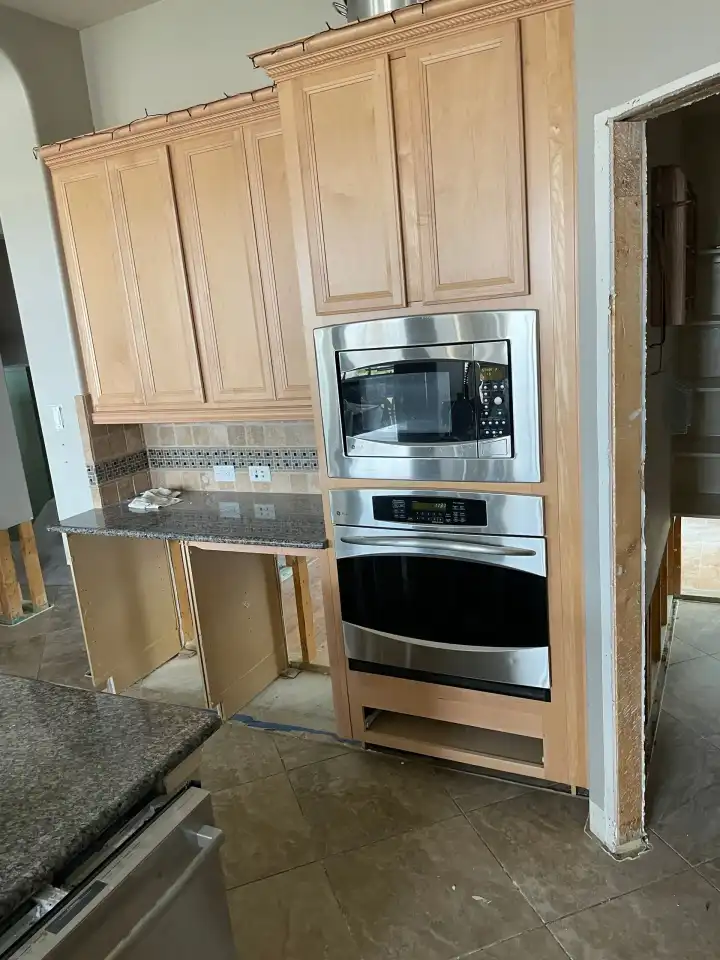
The first two days after a pipe bursts, a water heater fails, or storm water gets into a house are the two days that matter most for both the drying process and the insurance claim that follows. What gets documented, and how quickly water gets extracted, shapes everything that comes after. Here's what actually matters in that window.
Document before anything gets moved or thrown away
It's instinct to start pulling out ruined furniture and soaked carpet the moment you find standing water, but photos and video of the damage exactly as it happened are what an insurance adjuster and a contractor both need to see first. Walk through with your phone before anything gets moved. Note the source of the water if you know it, and roughly when it started. This documentation becomes the basis for the insurance claim, and it's far harder to reconstruct after items have already been discarded or dried out.
- The source of the water and approximately when it started
- Standing water levels on floors and any visible water lines on walls
- Wet or damaged flooring, drywall, cabinetry and trim
- Damaged furniture, rugs and personal belongings before they're moved
- Any visible mold or musty odor, even if you're not certain what it is
Extraction and drying start the clock on everything else
Standing water and wet materials need to come out fast, because the window before mold becomes a real risk is measured in hours and days, not weeks. This is why same day response matters for a water loss specifically, more than for almost any other kind of repair. Once extraction starts, drying has to be tracked with equipment and moisture readings, not just guessed at by feel, because a wall or a subfloor that looks dry on the surface can still be holding moisture underneath.
In this part of Texas, that clock runs even faster during hurricane season, when humidity is already high and a house that takes on storm water often needs extraction started within hours, not days, to keep mold from taking hold in a subfloor or wall cavity that never fully dries between the storm and the repair.
Know the difference between mitigation and reconstruction
Mitigation is the emergency phase: extracting water, drying the structure, preventing mold and further damage. Reconstruction is what comes after, rebuilding drywall, flooring, cabinetry and finishes once the space is confirmed dry. They're two distinct phases with two different scopes, and a contractor who understands both can move a project from one to the other without a gap where nothing is happening while paperwork catches up. That handoff is often where a claim either stays on track or stalls out.
Working the claim with the carrier, not around it
A water loss claim usually involves an adjuster walk, a scope of work, and sometimes supplements once work is underway and something unexpected is found behind a wall or under flooring. Pinnacle Construction works with insurance companies directly on the customer's behalf, which means someone experienced in how a claim actually moves is handling that conversation instead of leaving a homeowner to translate insurance language on their own while also dealing with a damaged house.
Getting back into the space
The end goal through all of this is the same: getting a family back into their home, or a business back open, as quickly as the drying and rebuild process actually allows. That's the whole reason speed matters in the first 48 hours. The faster water is out and the structure is confirmed dry, the sooner reconstruction can start, and the sooner the finish work that makes a house feel like home again can begin.
Content and belongings are part of this too. Furniture, rugs and personal items that were in contact with the water often need to be assessed separately from the structure itself, since some can be cleaned and restored and some can't. Keeping that assessment separate from the structural drying and rebuild timeline, rather than letting one hold up the other, is part of what a contractor experienced in insurance loss reconstruction should be managing for you, not something you're left sorting out on your own.
Pinnacle Construction offers same day response for urgent situations including flood damage, and handles the reconstruction that follows from framing through final finishes. If you're dealing with a water loss right now, the first call matters as much as the first 48 hours do.
Pinnacle Construction LLC — (281) 214-9251
Call (281) 214-9251More articles
How a Remodel Actually Changes Your Daily Life
The parts of a renovation that change daily life rarely show up in the photos.
The Questions Worth Asking Before You Hire a Remodeling Contractor
A cheap quote that turns into change orders and no warranty was never actually cheap.